
 By Norman van den Wildenberg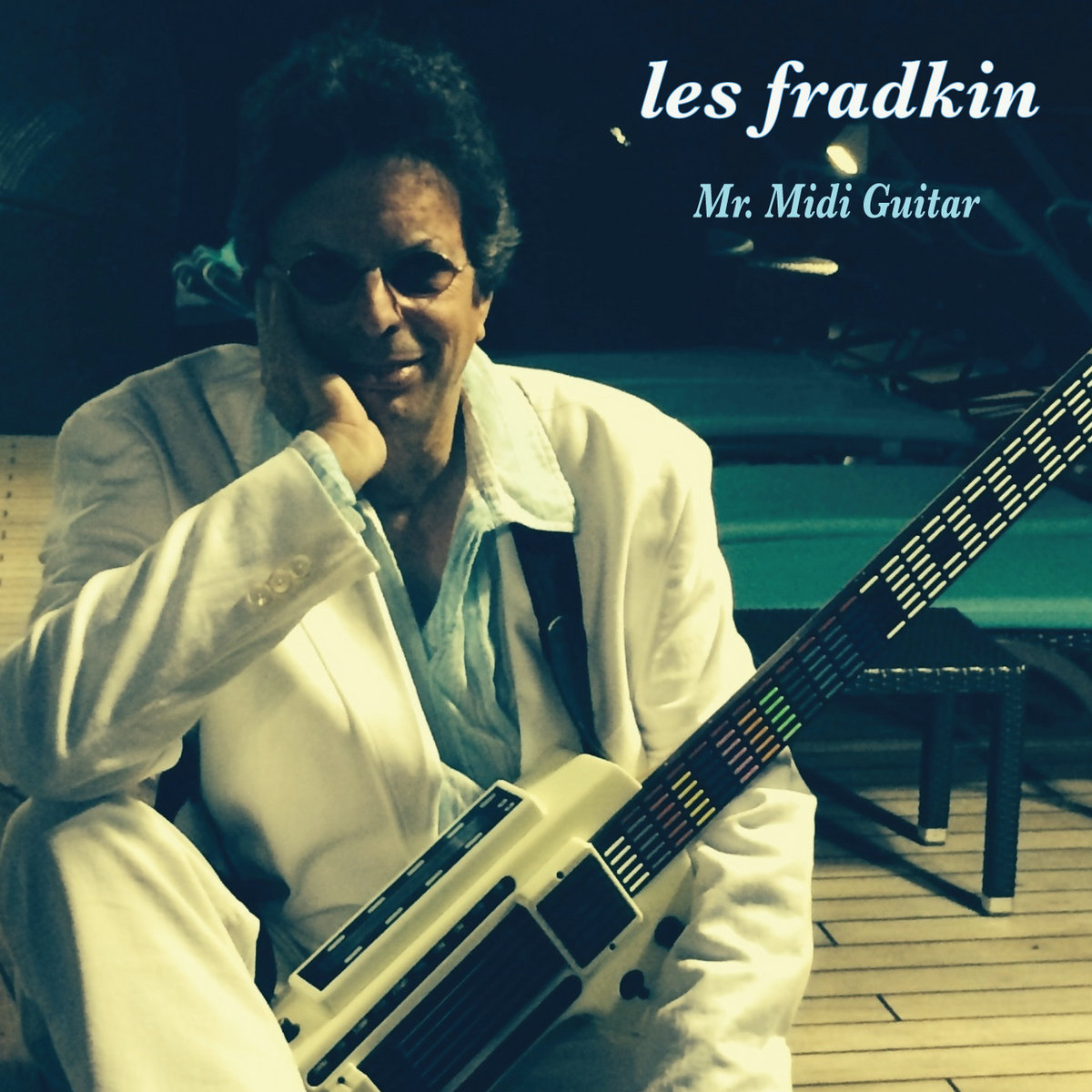
Les Fradkin gained recognition in the USA as a member of the original Broadway ensemble of “Beatlemania,” in which he played the role of George Harrison. In the 1980s, he established himself as a pioneer of MIDI guitar technology, earning him the nickname “Dr. MIDI.” With “Mr. Midi Guitar,” released in February 2016, Fradkin presents an album that demonstrates his vision of neoclassical rock. It consists of eight digitally remastered compositions from previous albums and one new recording, “Ode To Joy.”
The album opens with “Lift Off,” an energetic composition that sets the tone. Fradkin’s use of the Starr Labs Ztar, a futuristic MIDI guitar, is central to his sound. Through this technology, he transforms classical masterpieces into progressive rock arrangements that blur the boundaries between genres.
The core of the album consists of reworked Baroque and classical compositions. “Presto Changeo” reworks Bach’s Presto Movement from a violin sonata with powerful MIDI guitar lines. Fradkin’s version of Pachelbel’s “Canon In D,” which previously achieved a top 10 ranking on Amazon as a single, combines pop melodies with Baroque elements. The arrangement of Khachaturian’s “Sabre Dance” showcases his technical proficiency, with the piece performed with high energy and virtuoso passages. “Summer” from Vivaldi’s “Four Seasons” demonstrates his ability to blend the classical and rock worlds in an accessible yet layered production.
The longest track is “Bach Rocks,” which with its playing time of over five minutes takes the space to explore various themes by Bach. “Warp Drive,” an original composition, offers welcome variation among the classical arrangements. The album closes with “Presto Changeo (Reprise),” which adopts a theatrical approach and adds a mysterious atmosphere. The production of “Mr. Midi Guitar” is complex and detailed. Fradkin used Apple Logic Pro, MOTU Digital Performer, and Propellerhead Reason to realize his sonic vision. His production style is characterized by generous compression, loud recording levels, and a dense sound layer that invites comparisons with producers like Phil Spector and Joe Meek. Despite the digital recording, he achieves a warmth reminiscent of analog recording techniques from the 1960s.
The album’s strength lies in Fradkin’s technical mastery and innovative use of MIDI technology. He plays all instruments himself, creating a cohesive sound that fully reflects his vision. The arrangements are meticulous and show respect for the original compositions while transforming them into something contemporary. For lovers of neoclassical rock and instrumental music, it offers a fascinating listening experience. However, the album also has limitations. The choice for primarily reworked compositions means it offers few surprises for those familiar with Fradkin’s earlier work. Eight of the nine tracks are remasters of previously released material. While the digital remastering improves sound quality, this raises questions about originality. The dense production can at times be overwhelming, with details of individual instruments getting lost in the mix.
The absence of variation in tempo and dynamics can make the album monotonous during a complete listen-through. While each individual track is strong, it lacks as a whole a narrative development that keeps the listener engaged. For those unfamiliar with classical music or progressive rock, accessibility may pose a challenge. “Mr. Midi Guitar” is a technically impressive album that confirms Fradkin’s position as a pioneer of MIDI guitar. It demonstrates what is possible when classical music and modern technology come together. For fans of Les Fradkin and lovers of neoclassical instrumental rock, it is a valuable addition. The album succeeds in breathing new life into classical masterpieces without losing their essence, but remains a niche product that will primarily appeal to a specific audience. (7/10) (RRO Entertainment)
 Maxazine South Africa
  Nijaga Terborg