
 By Maxazine South Africa
Dozens of new albums arrive at Maxazine’s editorial staff every week. There are too many to listen to, let alone review. This ensures that too many albums are left behind, and that’s a shame. That is why we post an overview of albums that arrive at the editors’ desks today, along with brief reviews.
Photo (c) Jorge Fakhouri Filho
Lambrini Girls – Who Let the Dogs Out
The British punk duo Lambrini Girls throw themselves into political and social issues with their debut “Who Let the Dogs Out” without holding back for a moment. Phoebe Lunny and Lilly Macieira hit hard immediately with “Bad Apple,” an attack on police violence, followed by “Company Culture” about sexual abuse in the workplace and “Big Dick Energy” calling out toxic masculinity. Recorded with Gilla Band bassist Daniel Fox and mixed by Seth Manchester, the album sounds raw and unpolished, exactly as intended. Tracks like “Filthy Rich Nepo Baby” and “You’re Not From Around Here” combine sharp lyrics with powerful riffs reminiscent of IDLES and Bikini Kill. What stands out is how the duo uses personal vulnerability, as seen in songs like “Nothing Tastes As Good As It Feels,” which addresses eating disorders, and “Special Different,” which explores being neurodivergent. Although some songs risk becoming repetitive toward the middle of the album, the energy remains high. Closing track “Cuntology 101” surprisingly opts for a more upbeat dancefloor sound, redefining the word positively. In just twenty-nine minutes, Lambrini Girls prove that punk is very much alive. (William Brown) (7/10) (City Slang)

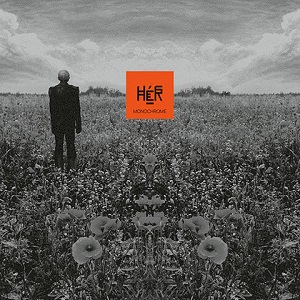
Hér – Monochrome
On “Monochrome” you hear a mix of Slavic melodies and Scandinavian atmospheres, Nordic fusion, and jazz. The inspiration of this Polish band comes from the Norwegian wisdom poetry of the 11th century. The album opens with slow, soft sounds. The throat singing makes it extra special. The lyrics consist of a single sentence repeated monotonously, matching the staccato rhythm of the percussion. The blend of vocals and (string) instruments, and the structure, is unusual but intriguing. “Needles and Bark” has only a few lines, repeated in different ways, each time with feeling. “Patience in Observation” is less experimental than the other tracks but feels partly trance-like. In contrast, the jazzy “Praise the Day” is somewhat restless and fiery. The seven tracks contain a unique combination of percussion and (string) instruments. The saxophone is mostly subtle, and the synthesisers blend beautifully with the music. Silence and power, light and shadow are wrapped in a very unusual atmosphere. This atmosphere is hard to describe; you really have to feel it yourself. “Monochrome” is one of the most remarkable albums ever. (Esther Kessel) (7/10) (Season of Mist)
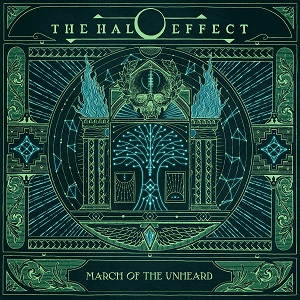
The Halo Effect – March of the Unheard
Swedish melodic death metal outfit The Halo Effect, consisting of former members of In Flames and Dark Tranquillity vocalist Mikael Stanne, delivers a second album with “March of the Unheard” that embraces the Gothenburg sound without falling into nostalgia. Opener “Conspire to Deceive” sets the tone with prog-like synths transitioning into tight riffs, followed by energetic tracks like “Detonate” and the title track, full of melodic guitar lines and Stanne’s vicious growls. The band focuses more on atmosphere and melancholy than their predecessors ever did, with orchestral strings on “Between Directions” and Stanne’s rare clean vocals adding extra emotional depth. Although “This Curse of Silence” feels like a somewhat superfluous interlude, and closer “Coda” is too long, the overall quality remains remarkably consistent. Tracks like “Cruel Perception,” “Our Channel to the Darkness,” and “Forever Astray” offer exactly what melodeath fans are looking for: Iron Maiden-inspired melodies combined with thrash aggression. It’s music that simultaneously looks back at the glory days of the 1990s while taking a contemporary approach, thanks in part to producer Mark Ralph. (Anton Dupont) (7/10) (Nuclear Blast)
Ludvig Søndergard – Creature Dances
An album described as ‘a fascination with the imperfect, the unstable, and the human behind precision.’ The opening track of “Creature Dances,” aptly titled “Opening Track,” sounds imperfect, unstructured, chaotic. At least in the first bars—it takes a moment to catch the groove, which is definitely there. Danish drummer Ludvig Søndergard enjoys putting the listener off balance before they fully understand the composition. The second track on this debut, “T.H.E.K.A.K.A.M.A.N.,” is much more accessible, with a clear theme, as are the shorter pieces: “Loopmachine” and “Return” are easy on the ear. Søndergard is a drummer, so the compositions mostly revolve around the drums, though not always to keep the rhythm, usually the drummer’s main role. The Dane uses his instrument melodically, especially in freer, improvised tracks, with “Final Track” a good example. In a sense, “Creature Dances” can be considered innovative. For Søndergard, it’s about composition and experimentation, exploring the boundary between structure and the freedom of improvisation, with flute, saxophone, piano, and vibraphone creating particularly colourful, adventurous jazz. (Jeroen Mulder) (7/10) (Dox Records)
Maaike Ouboter – Lievelingsliedjes Mixtape
We all have songs we carry from childhood into adulthood. As valuable markers, they guide us to memories and perhaps a longing for the moment we first heard a song. What an incredible wealth it is to be blessed with a voice that can express this longing through song. Maaike Ouboter arranged five songs that were special to her and shaped her musically. The result is this “Lievelingsliedjes Mixtape.” But it’s much more than just five songs. They are translations of existing songs into Dutch, but above all, deeply personal stories. Together with producer Bernard Gepken, she recorded them in beautiful performances only Ouboter can deliver, with her pure, open voice, capable of sounding both powerful and vulnerable. It is an intimate experience of music and memory, forming a beautiful sketch of her musical development. Compliments to Gepken, who succeeded in focusing entirely on the voice in the production. Play this EP and immerse yourself. Let it sink under your skin. Take that journey and return. Perhaps the only drawback… fifteen minutes pass by too quickly. (Jeroen Mulder) (8/10) (OETS)
 Jan Vranken