
 By Maxazine South Africa
Dozens of new albums arrive at Maxazine’s editorial staff every week. There are too many to listen to, let alone review them. It ensures that too many albums are left behind. And that’s a shame. That is why we post an overview of albums that arrive at the editors in short reviews today.
Photo (c) Jorge Fakhouri Filho
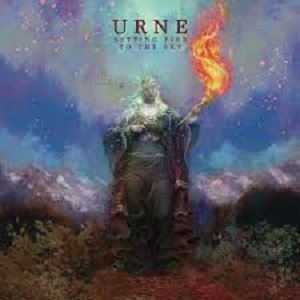
Urne – Setting Fire To The Sky
The London-based trio Urne releases their third album with “Setting Fire To The Sky”. Urne is vocally joined on the over nine-minute opening single “Harken The Waves” by none other than Troy Sanders of Mastodon. Cellist Jo Quail also appears on the melancholic “Breathe”. The album features modern production by Justin Hill (SikTh). “Setting Fire To The Sky” is a pleasure to listen to, with influences from Mastodon, Gojira and Machine Head. This is how modern metal should sound. The new year starts off well. (Ad Keepers) (8/10) (Spinefarm/PIAS)
Ela Minus – DÍA
Colombian producer and multi-instrumentalist Ela Minus shows remarkable artistic growth with her second album. Whereas debut “acts of rebellion” sounded deliberately intimate and minimalist, “DÍA” is both introspective and expansive. The ten tracks are mixed by Marta Salogni and mastered by Heba Kadry, the same team behind her debut. Opener “ABRIR MONTE” evokes the lush rave waves of Jamie xx, while “ONWARDS” recalls electroclash at its prime. Singles like “BROKEN” and “UPWARDS” demonstrate how Ela Minus balances pop accessibility with experimental ambition. The Spanish-language “QQQQ” insists the world must end if things continue as they are, while almost serving as an interlude for the second half of the album. The dark textures of “IDOLS” and the drumless “IDK” add weight, showing that Ela Minus can make you dance as well as think. (Elodie Renard) (8/10) (Domino)

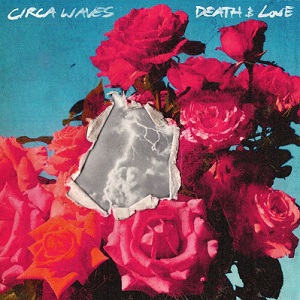
Circa Waves – Death & Love Pt. 1
The Liverpool indie rock band returns with their sixth album, born from personal crisis. Frontman Kieran Shudall underwent a life-threatening heart operation in 2023, which inspired this introspective yet energetic record. The nine tracks are produced by the band and engineer Matt Wiggins, known for his work with Adele and Lana Del Rey. Opener “American Dream” is made for festival fields, while “Le Bateau”, named after a beloved Liverpool club, captures that electric three a.m. vibe. The album moves effortlessly between breezy tracks like “Let’s Leave Together” and beautiful ballads such as “Hold It Steady” and “Blue Damselfly”. The production creates a sonic landscape that feels both intimate and expansive. The album closes with “Bad Guys Always Win”, where the peppy music contrasts with the bitter lyrics. The title suggests a sequel, but in the meantime, “Death & Love Pt. 1” delivers a surprisingly solid comeback from a band that proves personal setbacks can produce powerful music. (Anton Dupont) (7/10) (Lower Third)
Damon Locks – List of Demands
Chicago musician and educator Damon Locks presents his first full-length album based on spoken word and lyrics. The twelve tracks are a rare feat in electronic music, combining advanced production and noisy sonics with genuine self-reflection. The album presents a vision of Black liberation as a song cycle of short Nikki Giovanni-meets-MF DOOM-like rhythm experiments. Sample-based constructions are infused not only with sharp cultural observation but also with direct community engagement. Locks’ decades of experience connect the dots between experimental improvisation, sample-based hip hop, punk, and poetry. On “High Priestess” poet Krista Franklin adds her voice, while cornetist Ben LaMar Gay, violinist Macie Stewart, and turntablist Ralph Darden bring depth and balance. “Isn’t It Beautiful” combines drums and violin with Locks’ signature vocal rhythms, while “Meteors of Fear” uses turntable scratches to further develop its chopped, stuttering sample sounds. The album offers a focused cross-section of Locks’ work and may be the most Damon Locks album yet. (Elodie Renard) (8/10) (International Anthem)

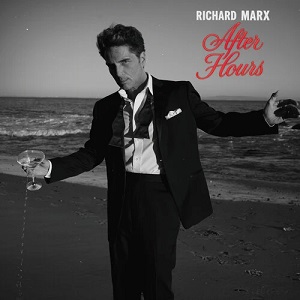
Richard Marx – After Hours
Richard Marx. You know, that big-haired guy who scored a monster hit in the eighties with “Right Here Waiting”. The wild hair is gone, but the raw voice remains, and he still makes music. And as with every respectable, somewhat established musician, a big band album had to be added to the oeuvre. That is “After Hours”. While many artists with his career rely on nostalgia, Marx manages to make the album sound surprisingly fresh without discarding his musical DNA. He still excels in ballads that could make your dental enamel shatter. He also enlists help from Rod Stewart on “Young at Heart”. Stewart may have a young heart, but vocally, it is not at its best. It is one of the least successful collaborations on the album. Forgive him, though, because on “Magic Hour” and “Big Band Boogie”, with a contribution from Kenny G, Marx makes up for everything. His distinctive voice has gained depth over the years, sounding more lived-in, and this fits the repertoire perfectly. Combined with solid arrangements and flawless production, “After Hours” is a fine album that can stand alongside many classic crooner records. (Jeroen Mulder) (7/10) (Richard Marx)
 Jan Vranken