 By Maxazine South Africa
Dozens of new albums arrive at Maxazine’s editorial staff every week. There are too many to listen to, let alone review. This ensures that too many albums are left behind, and that’s a shame. That is why we post an overview of albums that arrive at the editors’ desks today, along with brief reviews.
Photo (c) Jorge Fakhouri Filho
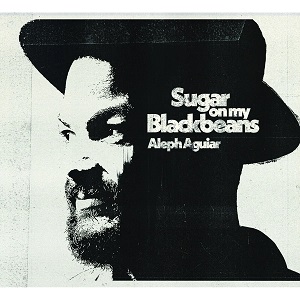
Aleph Aguiar – Sugar On My Blackbeans
A time machine. Put on this third album by Venezuelan guitarist Aleph Aguiar, and you are instantly transported back to the 1960s, the era when Latin music entered jazz. The samba rhythms blended perfectly with even a traditional combo setup, although the role of the electric guitar became increasingly prominent, much to the horror of jazz purists. The tide could not be turned: jazz spiced with salsa became immensely popular and continues to this day. This “Sugar On My Blackbeans” is simply a delightful record, thanks in part to the quintet accompanying Aguiar, including flugelhorn and Hammond. The title track “Sugar On My Blackbeans” captures the spirit of the album: rhythmically sparkling, cheerful, and with an irresistible groove. In a few tracks, the guitarist even incorporates influences from his Venezuelan roots, such as ‘joropo’, a rhythm from a national dance, heard in ‘Blue Tourpials’. Of course, Aguiar also takes it down a notch occasionally, as in the calm ‘Little Daisy’. An extra dimension comes from the fact that the album was recorded live on tape in just two days. You can hear and feel that energy. Aguiar himself is in top form: melodic, rhythmically sharp, and virtuosic. “Sugar On My Blackbeans” will appeal to many lovers of Latin jazz. (Jeroen Mulder) (7/10) (Aleph Aguiar)
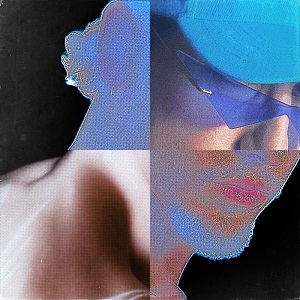
Joseph Carré – Ultrason
With “Ultrason”, Joseph Carré (the alter ego of Marc Lavigne) delivers an ambitious third album that takes the listener on a cosmic journey full of emotional depth. The album opens with the instrumental ‘l’Opéra de l’Espace’ and closes with ‘Mission: Voyage’, weaving the spatial theme throughout. Musically, Carré balances refined pop with raw intensity. Tracks like ‘Ultralégal’ and ‘Le Phénomène’ explore relationships and social dynamics with both humour and sharp observations, while ‘Super Bossa Nova (Charlotte)’ and ‘Une Étoile Populaire’ examine fame, desire, and the loss of intimacy. The short, fragmentary ‘Système I Système II’ provides an intriguing pause. The production by Nicolas Roberge and the arrangements by Carl Bastien give “Ultrason” a rich, layered sound. Synthesisers, strings, saxophone, and modular synths create a lush sonic universe with Lavigne’s distinctive voice at the centre. An album that demands repeated listening. (Elodie Renard) (8/10) (CentreVille)
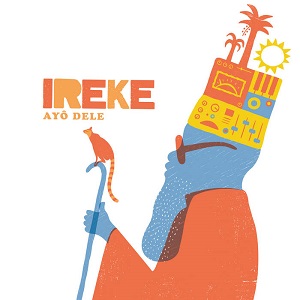
IREKE – Ayô Dele
The opener ‘Tout Est Bizarre’ tastes of everything: afrobeat, zouk; it’s all there. Played by skilled musicians, neatly produced, nothing to complain about. But also not enough to go completely wild. It is too tidy. There’s no grit in this production. Everything quantised, everything in its place. Bravo. ‘Laissez Passer’ is a similar story: groove, well played, all the elements, vocals that do their job, but you listen more to the technique than the music that grabs you. Nayel Hóxò sings in Yoruba, Agnès Hélène in French, Olivya adds Creole; the voices are there, but remain polite. This quality is fine but adds little to the palette of modern zouk- and afrobeat-based club music. Club music, that’s what it is. You can dance to it in your white cotton capris without spilling anything. (Jan Vranken) (7/10) (Underdog Records)
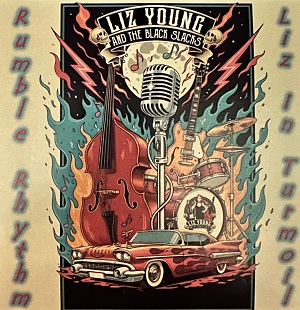
Liz Young and the Black Slacks – Rumble Rhythm
Top Cats, Reckless Ones, Reverend Horton Heat, Pepita Slappers. Occasionally, rockabilly records appear that are worth listening to, although many bands in the genre heavily lean on the legacy of Elvis, Carl Perkins, and, much later but undeniably influential, Brian Setzer and his Stray Cats. Is that a problem? Not at all. The Dutch-based Liz Young and the Black Slacks also diligently build on that legacy. Yet this band sounds different from many rockabilly groups. To start with, Liz Young (Nathalie Vroon) has a voice that could curl the wallpaper. Then there is the boundless driving energy of drummer Bart Schouwink and bassist Freddy Vaanholt, making you wonder if their batteries ever run out. But the secret of the band lies in Bas van Domberg’s guitar, who also wrote all the tracks. His playing gives “Rumble Rhythm” a wholly unique vibe with blistering riffs and venomous solos. After a few listens, you notice that his influences come not only from rockabilly but also metal, sometimes tuning his guitar to drop-D. Pay special attention to the only restrained track, ‘Mysterious Stranger’ and then the closing storm ‘Zombie Night’. A guitarist cannot be more versatile in this genre. Brian Setzer, move over. (Jeroen Mulder) (8/10) (Liz Young)
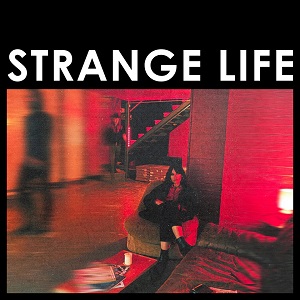
Howling Bells – Strange Life
We have had to wait a long time for the fifth album from Australian indie band Howling Bells. A full 12 years separate the last album, “Heartstrings” and this release. During these 12 years, siblings Juanita and Joel Stein and drummer Glenn Moule put music second to focus on other matters, such as starting a family, taking on other jobs instead of being full-time musicians, and processing life events. All tracks are quite personal. One of the singles, ‘Sweet Relief’, is about a friend struggling with addiction. The most personal song on “Strange Life” is ‘Melbourne’, written by singer Juanita Stein after her father passed away. Juanita Stein has a pleasant voice that fits the melancholic music of Howling Bells perfectly. The best track is ‘Angel’, on which Juanita Stein sounds like Anneke van Giersbergen. If you love gritty indie-rock that flows like a film soundtrack, then “Strange Life” is the album for you. (Ad Keepers) (7/10) (Nude Records)