
 By Jan Vranken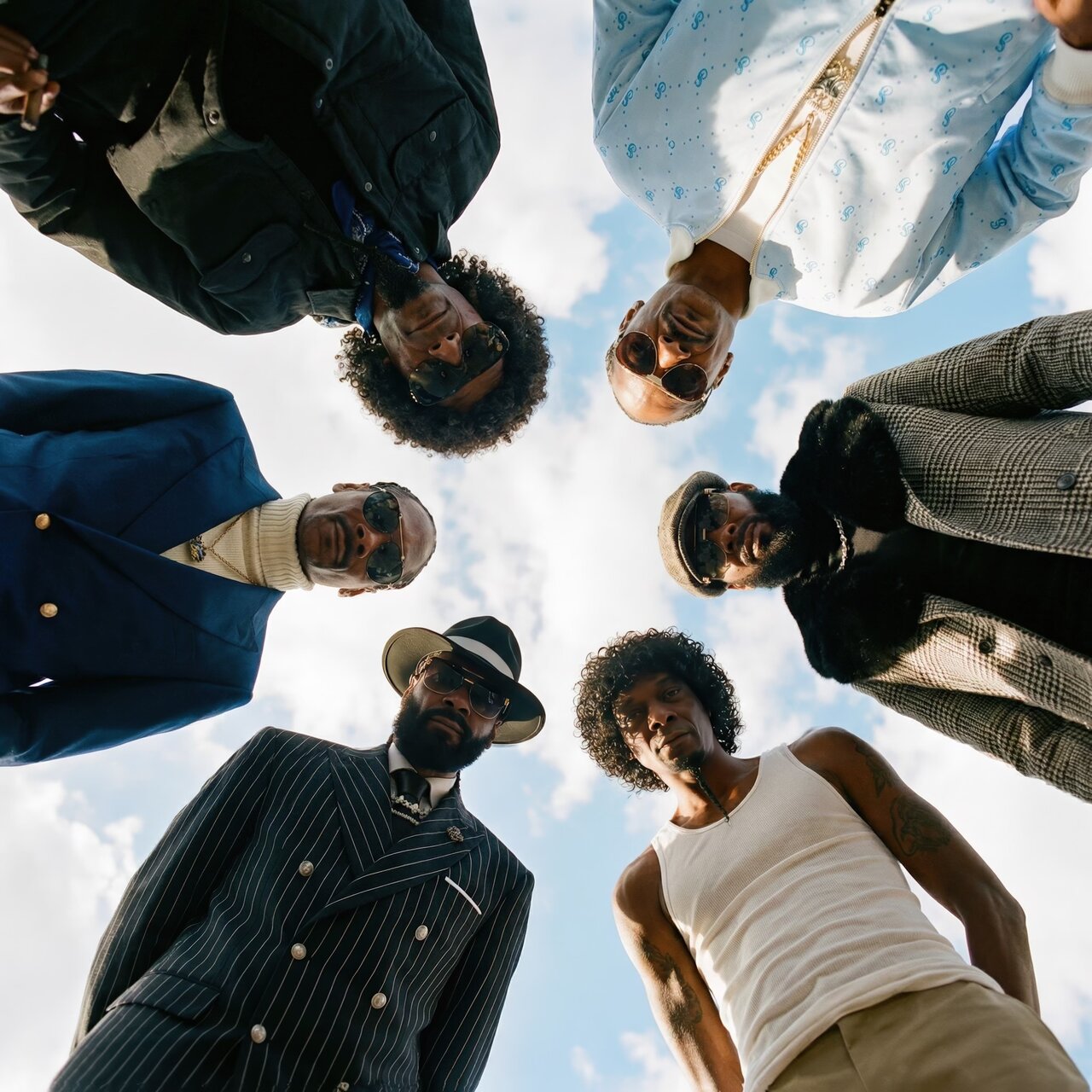
Snoop Dogg releases his 22nd studio album with “10 Til Midnight” on Death Row Records/Gamma, a record of fourteen tracks and 35 minutes that follows the familiar G-funk recipe without any notable surprises. Who is still afraid of the big bad Dogg?
It is 2026 and Calvin Cordozar Broadus Jr. from Long Beach, California, better known as Snoop Dogg, is no longer a rapper in the traditional sense. He is an Olympic commentator, a cooking show host alongside Martha Stewart, a WWE Hall of Famer and the owner of Death Row Records, the label he acquired in 2022 just before the Super Bowl. The fact that he continues to release albums in between is something many people forget. After “Missionary” (2024) with Dr. Dre and last year’s “Iz It a Crime?”, “10 Til’ Midnight” is already his third record in eighteen months.
The question is not whether Snoop can still rap. The question is whether he still wants to. The album opens with “Step”, a collaboration with Swizz Beatz: funky, confident, built for both the street and the club. It is a track where Snoop is at his best, with enough space to drape his signature drawl over a solid beat. Anyone who had “Drop It Like It’s Hot” on repeat back in the day will recognise the energy. It is immediately followed by “Lied 2 U”, produced by Pharrell Williams, which sounds atmospheric and dreamy but never really goes anywhere. Those who check the credits will discover that none other than Akon is listed as a backing vocalist. The fact that an artist who has sold 45 million records himself is brought in to sing backing vocals for Snoop Dogg says more about the pecking order in the Dogg’s house than any lyric on this album.
The production list reads like an honour guard of hip hop veterans: alongside Pharrell and Swizz Beatz, Rick Rock, Soopafly, Nottz, Erick Sermon and YoungFyre contributed beats. Those names guarantee craftsmanship, and you can hear it. The West Coast signature is present everywhere, from the buzzing synths to the slow, hydraulic grooves. But craftsmanship is not the same as inspiration.
The strongest track is “17 Rules”, where Snoop actually tells a story instead of posing. He outlines the story of a young man who makes the wrong choices and ends up behind bars, built around a numerical structure that works surprisingly well. The soulful harmonies and the urgency in his voice make this the most complete track on the album. “OG to BG” is another highlight, where he addresses the younger generation with the authority of someone who has survived three decades in the game. “Long Beachin’”, produced by Nottz, is a short but sincere declaration of love for his hometown. Closing track “QTSAMYAH” with October London provides a reflective final chord that gives the album a kind of thematic arc, however minimal.
The problem with “10 Til’ Midnight” is not that it is bad. The problem is that it hardly feels necessary. At 35 minutes it is concise, but tracks like “Slid Off” and the thirteen-second interlude “Daddy Rich” feel like filler. “Leave That Dogg Alone” and “Stop Counting My Poccets” touch on the same theme, Snoop silencing critics, but neither does so with enough sharpness to make an impact. Trinidad James on “Pop My Shit” delivers exactly what you expect: no more, no less. The larger issue is that Snoop barely raps on many tracks. He sings, he mumbles, he glides over beats with the nonchalance of someone who has nothing left to prove. That is charming in small doses, but across fourteen tracks it becomes monotonous. The production is consistent but rarely surprising. Not a single beat here would have felt out of place on a Snoop record from 2005, and that is both a compliment and a problem.
Snoop Dogg no longer owes anyone anything. That makes him almost untouchable as a personality, but it also makes his albums feel non-committal. “10 Til’ Midnight” is the work of an artist who knows his formula and refuses to deviate from it. For fans of vintage G-funk and Snoop’s laid-back style, that is exactly enough. For those who hoped that owning Death Row would ignite a new creative fire, it is a missed opportunity. In Snoop Dogg’s long catalogue, from the groundbreaking “Doggystyle” in 1993 to the Dr. Dre reunion on “Missionary”, this album is more of a footnote than a chapter. (6/10) (Death Row Records/Gamma)
 Maxazine South Africa