
 By Maxazine South Africa

Dozens of new albums arrive at Maxazine’s editorial staff every week. There are too many to listen to, let alone review them. It ensures that too many albums are left behind. And that’s a shame. That is why we post an overview of albums that arrive at the editors in short reviews today.
Photo (c) Jorge Fakhouri Filho
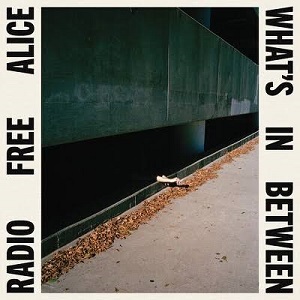
Radio Free Alice – What’s In Between
Australian band Radio Free Alice make it clear on their debut album “What’s In Between” that they want to be more than just another name in the post-punk wave. The nervous energy of their earlier work is still present, but here it is combined with bigger melodies and a production that is clearly aimed at a wider audience. “Crying With You” opens with a build-up that culminates in an absorbing chorus, after which “Undressed” introduces a lighter, almost new wave-inspired atmosphere. On “Rule 31”, the group sounds more angular and direct once again. Singer Noah Learmonth’s lyrical approach gives the album additional weight. He takes a critical look at a generation of young men struggling with expectations, loneliness and the pressures of modern urban life. “Big Ideas”, featuring Rachel Brown, and “Lunch Money” demonstrate how effectively the band can turn observations into melodic songs. Not every production choice is equally exciting; at times, the rough edges are smoothed over a little too neatly. Nevertheless, the album convinces through its strong compositions and the combination of social awareness and infectious indie rock. (Anton Dupont) (8/10) (Atlantic Records)
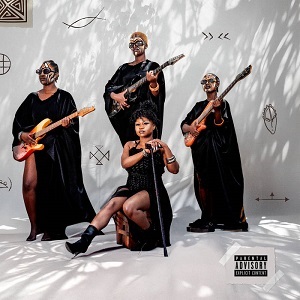
Chloe Qisha – Fantasize
With “Fantasize”, Chloe Qisha presents a debut mixtape in which she further develops her love of theatrical pop and big melodies. The British-Malaysian singer moves between disco, synthpop and contemporary radio pop, with ABBA as a clearly audible source of inspiration. “YDH” immediately sets the tone with a playful beat and a chorus that easily gets stuck in your head. “Cry About It” has a solid synthpop foundation, while “Baby Girl” flirts with disco funk and a lighter, danceable atmosphere. Qisha writes openly about desire, sexuality and romantic confusion, often with a wink and a generous dose of self-mockery. In “He Likes Boys”, that bravado takes on a more vulnerable edge as the protagonist has to deal with unrequited feelings. The production is tight and the vocal lines are carefully constructed, but that very precision sometimes works against her. The songs often sound as though every detail has been thought out in advance, limiting their spontaneity and emotional depth. Nevertheless, Qisha delivers her material with conviction. “Fantasize” is a colourful introduction to a pop artist who has already defined her sound quite sharply, but still has room to become more personal. (William Brown) (7/10) (Columbia Records)

Sampa the Great – Nu Zamrock
With “Nu Zamrock”, Sampa the Great connects her personal background with a musical tradition that remains relatively little known outside Africa. The artist, born in Zambia, raised in Botswana and later achieving international success, explicitly returns to her cultural roots with this album. Zamrock, the psychedelic rock movement that emerged in Zambia in the 1970s, provides the starting point. Sampa Tembo combines that history with hip-hop, soul, African rhythms and modern production techniques. The result is an album in which different musical worlds meet without the overall work losing its coherence. “Simon Says” and “Canary” are among the more distinctive compositions, in which powerful rhythms and her characteristic delivery work well together. “Catch If You Can” opts for a more accessible sound, while “Supernova”, featuring Sia, adds an international pop dimension. KAMAUU’s contribution to “Star” also fits well within the musical whole. The sixteen tracks combine to create a varied listening experience, although the short interludes sometimes interrupt the album’s flow. Thematically, the work revolves around identity, heritage, belonging and the meaning of cultural recognition. “Nu Zamrock” is therefore not only a musical exploration, but also a personal statement about the place of African music within international pop culture. (William Brown) (6/10) (Loma Vista Recordings)
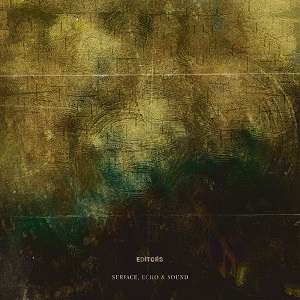
Editors – Surface, Echo & Sound
After the electronic excursions on “Violence” and “EBM”, Editors partially return to a more organic approach on “Surface, Echo & Sound”. Benjamin John Power’s departure has clearly influenced the band’s musical direction. The group around Tom Smith once again chooses guitars, bass and drums as its main building blocks, with electronic elements playing a less prominent role. This does not mean, however, that Editors simply fall back on the sound of “The Back Room”. The new compositions move more towards melodic indie rock, with room for big choruses and atmospheric arrangements. “Call It In” and “The Rush” are among the tracks on which this approach works best. “Much Love” also benefits from Smith’s distinctive baritone, which once again plays an important role in the group’s musical identity. Nevertheless, the album also has less convincing moments. Some compositions lack the tension that made the older Editors albums so recognisable. Particularly when the guitars make way for relatively safe acoustic arrangements, the whole thing becomes somewhat predictable. The record is produced with care and contains enough familiar elements for existing fans, but the return to a more traditional line-up does not automatically deliver the musical sharpness of the past. (Anton Dupont) (7/10) (Play It Again Sam)
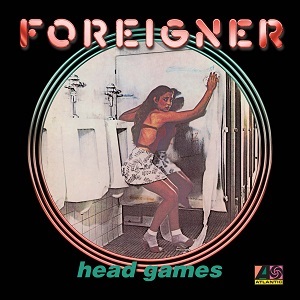
Foreigner – Head Games (Deluxe Edition)
Right through to Head Games, Foreigner demonstrate what an eager rock band is capable of. On this third album, the group sounds sharp, energetic and assured. Its greatest asset is Lou Gramm. His powerful voice gives the songs fire. Mick Jones provides catchy guitar riffs and solos that add extra lustre to the tracks. Head Games shows Foreigner at the peak of their abilities. A level they were never able to match in the years that followed. This Deluxe Edition adds two extra CDs. The second disc, featuring outtakes, demos and early versions of songs, is a nice addition for fans, but changes little about the album experience. The record is strong enough to stand on its own; the original version remains the most powerful presentation. The third CD makes the difference. The live recordings from the Rochester Community War Memorial in 1979 are electrifying. With just three albums under their belt, Foreigner have a series of recognisable songs at their disposal. The extended version of “Starrider” is a particular highlight, with the band taking all the time it needs and convincingly demonstrating its potential. Anyone who knows Foreigner mainly through the soft rock hit “I Wanna Know What Love Is” should definitely hear this live CD. It is precisely this addition that gives this Deluxe Edition clear added value. (Bart van de Sande) (8/10) (Rhino)
 Anton Dupont