
 By Daniel Harris
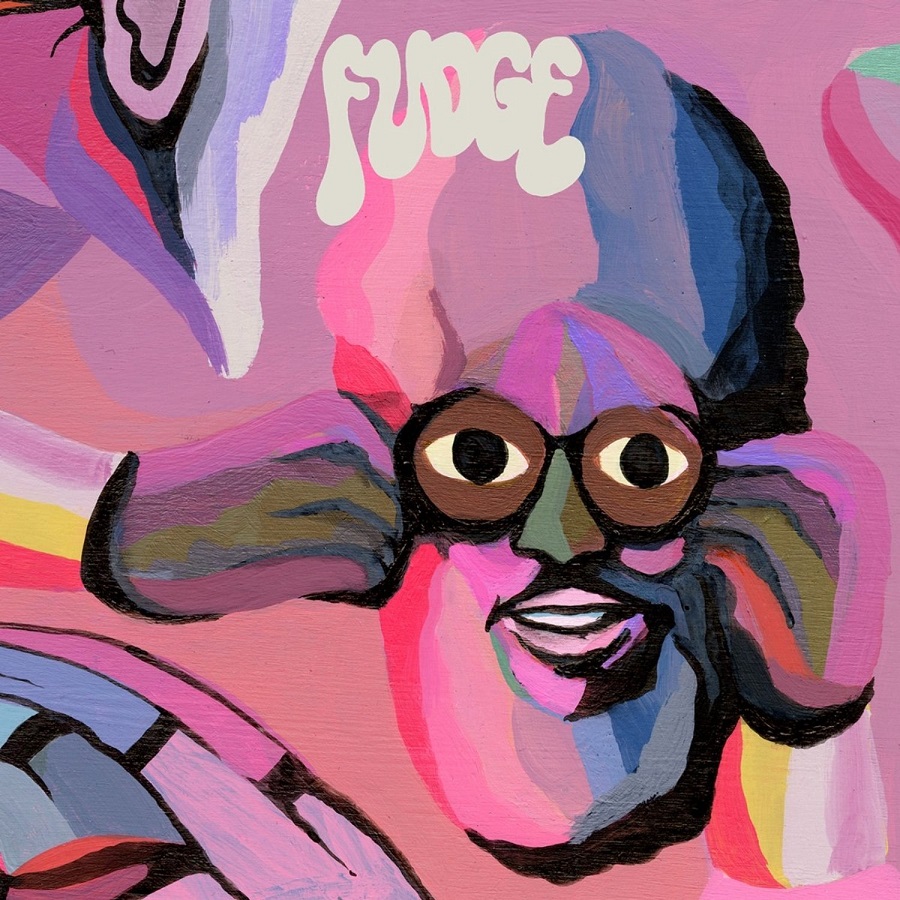
Michael Kiwanuka emerged in 2012 as a singer with an old-fashioned soul voice and the guitar-playing style of someone who had studied Bill Withers. He demonstrated this with “Home Again”, “Love & Hate” brought him to a wide audience in 2016, and in 2020 he won the Mercury Prize with ‘Kiwanuka’. Danger Mouse and Inflo played a defining role on those albums. On “Fudge”, his fifth album, they are absent for the first time since his debut. Kiwanuka took charge of the production himself, together with Dom Monks and Joe Connell, a multi-instrumentalist from his live band.
The circumstances surrounding the album give it extra weight. The songs emerged alongside those for “Small Changes”, were recorded in a modest studio near his home town of Southampton, and remained on the shelf for almost a year after Kiwanuka suffered a stroke. He is still working on his recovery, but the music had already been completed by then. This does not make listening more difficult, but it does make it more attentive.
The opening track, “Summer Clothes”, sets the tone. The song begins with words from jazz pianist Chick Corea about trusting your own taste and develops into an expansive song with an orchestral glow reminiscent of Scott Walker’s early work. It sounds hopeful without becoming saccharine. “Stars” is an older composition that Kiwanuka previously failed to finish to his satisfaction, during the period when he was doubting himself after “Home Again”. Here, the song finally finds its place, restrained and with plenty of room for his voice. The closing track, “Swings And Roundabouts”, returns to the uncertainty of working without familiar collaborators. Kiwanuka himself calls it a kind of break-up song. Together, the beginning and the end form a conversation about letting go.
In between, the atmosphere remains relaxed. The band played together in the same room a lot and often recorded in a single take, giving the songs a homely warmth that a large studio does not always deliver. Kiwanuka cites “Rubber Soul”, “On The Beach” and “Blonde” as sources of inspiration, and the exploratory, playful attitude of those albums can be heard here. The title is part of that, too. For him, fudge represents something childlike, where you think less and do more.
That looseness comes at a price. Anyone expecting the expansive production of ‘Kiwanuka’ will find a more intimate album with fewer grand moments, one that sometimes remains simply soft and gentle. Whether that is a drawback depends on what you want to hear from him. The album sounds like an artist who feels at home with his own way of working and emerges from it with conviction. “Fudge” does not add much to what Kiwanuka could already do, but it does show him without a safety net, and that suits him well. It is a quiet, honest album that needs its time and is given it. (8/10) (Polydor)
 Maxazine South Africa